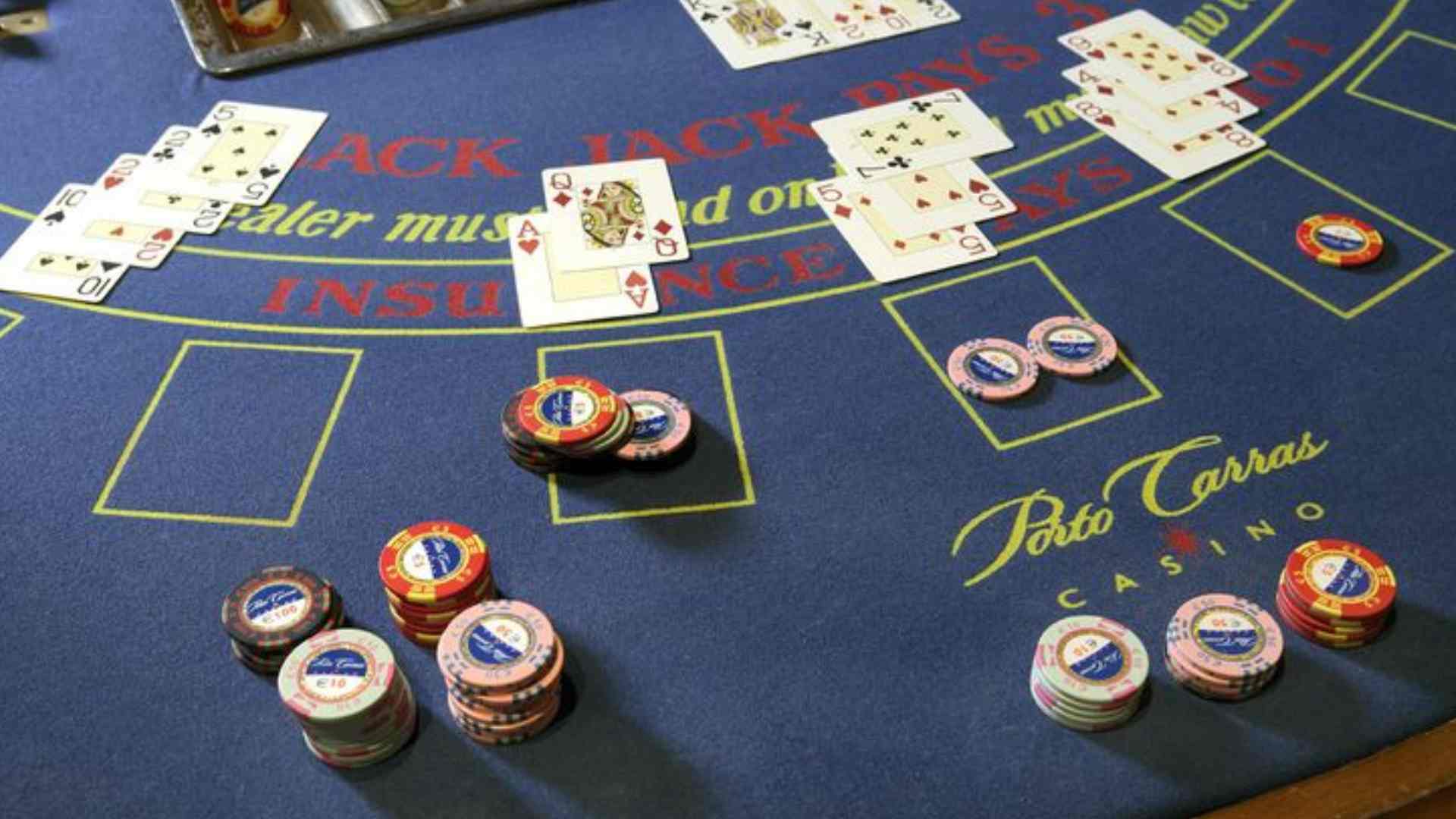
The sequence in which cards emerge from a shuffled deck creates the fundamental foundation for any tabletop gaming outcome. Even the most calculated tactical choices are ultimately subject to the structural reality established during the initial manual or digital deal. Understanding how this initial placement dictates the flow of play allows enthusiasts to separate short term trends from sustainable mathematical strategies.
The Mathematical Reality of Shuffled Decks
Every standard deck operates on precise probability metrics that shift continuously as specific values leave the shoe. When high value or low value distributions gather into distinct clusters, the predictive models used by traditional players undergo significant changes. This physical clustering directly alters the baseline expectations for consecutive hands during an extended session.
As a result, a participant who tracks these shifts can make much more informed decisions based on remaining table resources. Experienced observers look past individual wins or losses to focus entirely on how these fluctuating totals shift defensive obligations. This systemic view remains vital for anyone analyzing table mechanics over hundreds of separate rounds.
How Card Placement Alters Strategic Pacing
The specific order of dealt hands influences the psychological tension around the table by accelerating or delaying pivotal drawing moments. When initial hand distribution results in immediate natural totals, the room experiences a rapid resolution that completely bypasses complex tactical maneuvers. Conversely, a balanced distribution of middle tier scores forces participants into complex psychological standoffs regarding potential third card additions.
Modern digital platforms replicate these traditional physical distributions through highly regulated random number generators that ensure absolute fairness. Enthusiasts looking to study these mathematical outcomes firsthand can access diverse table options via a secure m88 login to observe live card patterns. Tracking these virtual distributions provides critical insight into how structural rules govern software based variations.
Evaluating the Limits of Table Influence
While personal tactical execution remains a significant component of traditional gaming, it cannot overcome the structural limits of an adverse distribution. Analytical players emphasize environmental awareness because understanding localized mathematical trends helps mitigate financial vulnerability during a difficult sequence. Recognizing when the current shoe pattern favors a specific side prevents individuals from relying entirely on rigid betting templates.
Ultimately, the long-term resolution of any table game relies on balancing active participation with an objective appreciation for statistical probability. By shifting focus toward systemic foundations rather than superficial trends, researchers and casual fans alike can build a much more reliable foundation for understanding gaming mechanics. This deeper spatial awareness ensures that strategic evaluations remain anchored in verifiable mathematical realities.