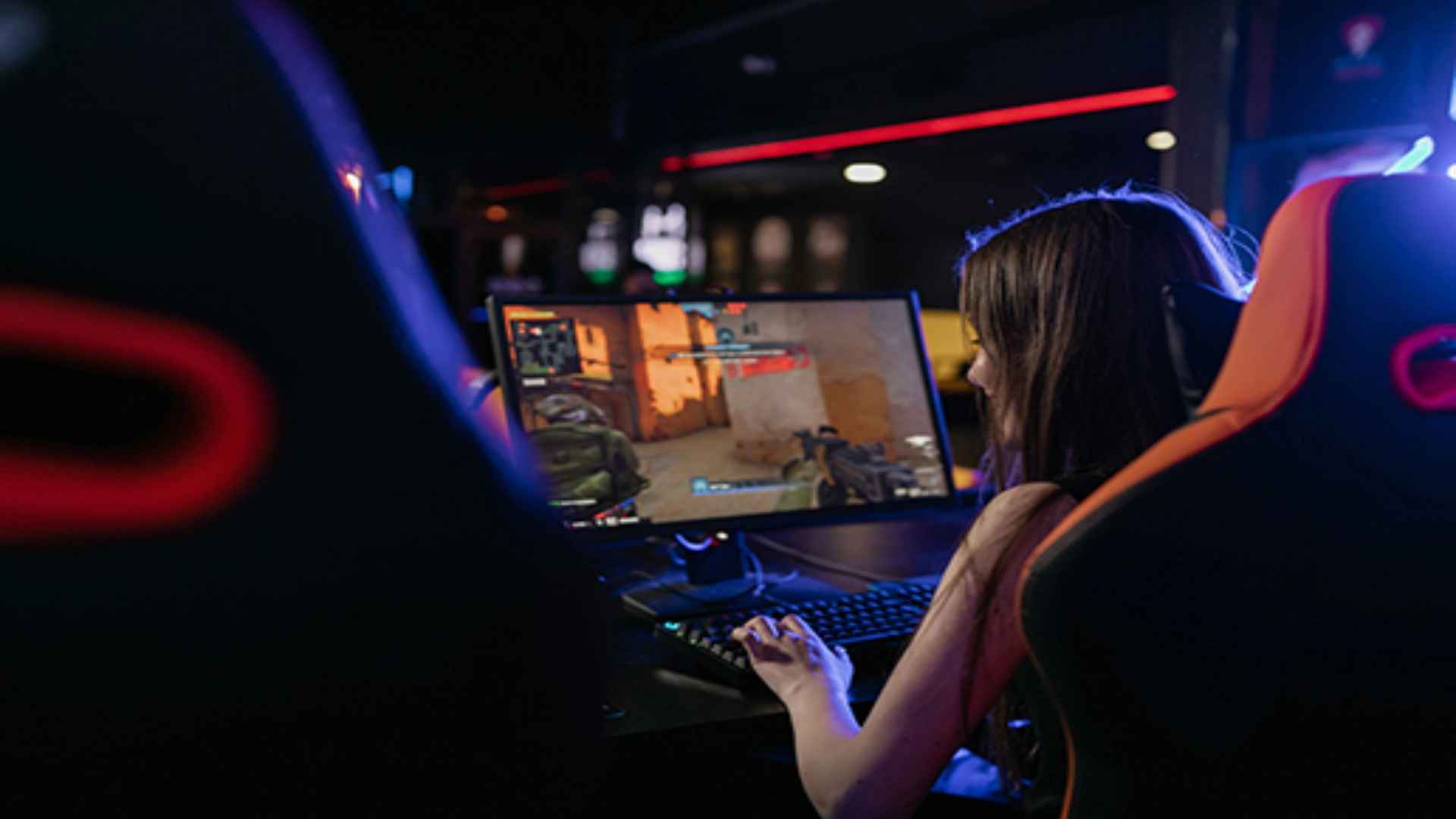
The global landscape of mobile entertainment is undergoing an extraordinary transformation as developers push the absolute limits of handheld hardware. With the integration of advanced cloud streaming and real-time processing, games on mobile devices are no longer mere pastimes but highly immersive digital environments. Players worldwide are experiencing complex narratives and seamless matchmaking directly from their smartphones, redefining what is possible in on-the-go gaming.
Pioneering Graphic Fidelity and Unreal Worlds
Modern mobile software has achieved unprecedented graphical capabilities that rival dedicated desktop setups. Creative studios are utilizing advanced physics engines to render highly detailed textures and realistic dynamic lighting on portable screens. These technological milestones allow gamers to explore vast open worlds without experiencing hardware lag or visual compromises.
This aesthetic evolution is paired with deep, real-time spatial audio that pulls players deeper into the unfolding action. Consequently, the distinction between high-end home systems and mobile smartphones continues to fade. Enthusiasts can easily enjoy stunning interactive experiences that were considered impossible to run on portable processors just a few years ago.
The Expansion of Connected Communities
Beyond impressive visuals, the true strength of contemporary mobile gaming lies in its ability to foster massive global networks. Seamless cross-platform capability ensures that friends can team up or compete regardless of their preferred device. These active gaming ecosystems thrive because they offer shared strategic challenges and continuously updated seasonal content.
Maintaining an optimal connection is essential for enjoying these high-stakes digital environments without unnecessary interruptions. Many dedicated players utilize secure gateways like M88 link login to access specialized hubs that offer optimized gameplay resources and updates. Choosing platforms with highly active user bases ensures quick matchmaking and balanced competitive play.
Innovative Gameplay Mechanics and Accessibility
Developers are also breaking boundaries by rethinking how players interact with touchscreens through intuitive control schemes. Rather than forcing awkward console layouts onto smaller displays, modern titles feature highly adaptive gesture controls and intelligent haptic feedback. This design philosophy makes complex action and deep strategic planning incredibly accessible to newcomers.
Furthermore, the rise of hybrid casual structures ensures that anyone can enjoy rewarding progression loops during short daily breaks. These games respect the player's time while still offering deep cognitive challenges that keep the brain active. By combining simple learning curves with high skill ceilings, portable titles maintain an incredibly broad appeal.
The Future of Handheld Innovation
As we look ahead, the integration of generative technology and advanced artificial intelligence is set to customize gaming experiences in real time. Adaptive difficulty levels and dynamic storytelling elements will soon tailor every adventure to individual playstyles. This ongoing evolution ensures that handheld systems will remain at the very forefront of global entertainment innovation.