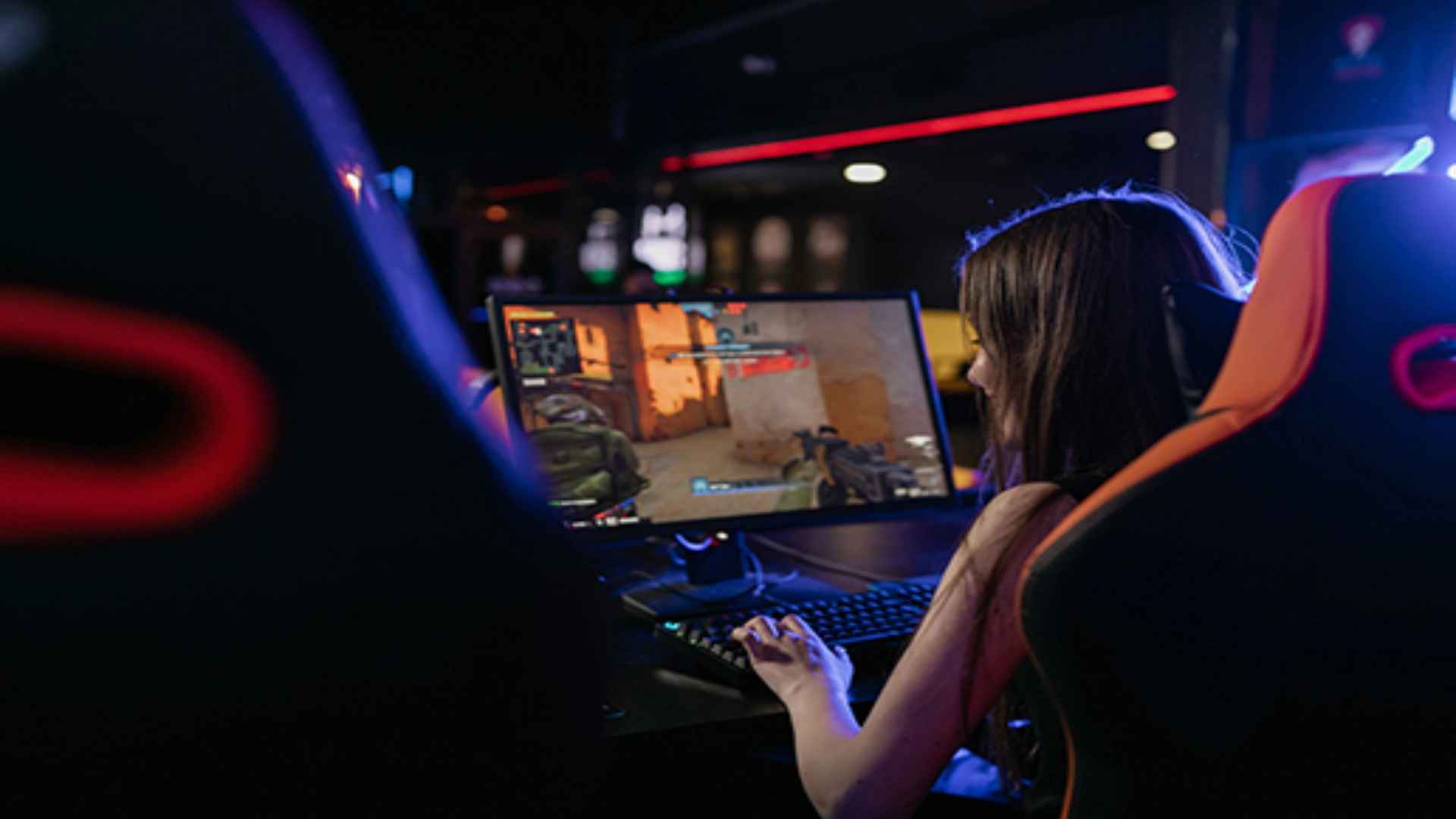
Engaging with interactive digital platforms offers an exciting way to develop sharp decision-making and cognitive control under pressure. Many modern games rely on a mix of strategic planning and quick adaptation, transforming pure recreation into a valuable learning process. By analyzing how outcomes unfold, participants can build transferrable skills that enhance their performance across various situations.
The Psychology of Risk and Reward Evaluation
Understanding the balance between potential risks and expected rewards is fundamental to mastering any gamified platform. Every rotation or decision presents an opportunity to study random distributions and evaluate options with a clear, objective mindset. Developing this cognitive framework allows players to avoid emotional choices and rely on data-driven conclusions instead.
Research suggests that building self-awareness helps individuals manage quick reactions and balance them with careful, long-term analysis. Learning to identify personal cognitive biases during play prevents impulsive mistakes and fosters a disciplined approach to interactive entertainment. Over time, this deliberate practice sharpens executive attention and enhances overall critical thinking proficiency.
Cultivating Patience and Overcoming Impulsivity
A primary challenge in rapid digital environments is resisting the temptation of instant gratification in favor of strategic patience. Successful players realize that consistent progress relies heavily on emotional regulation and maintaining a calm demeanor when facing unpredictable shifts. By embracing a patient mindset, you learn to see every setback as a valuable data point for future attempts.
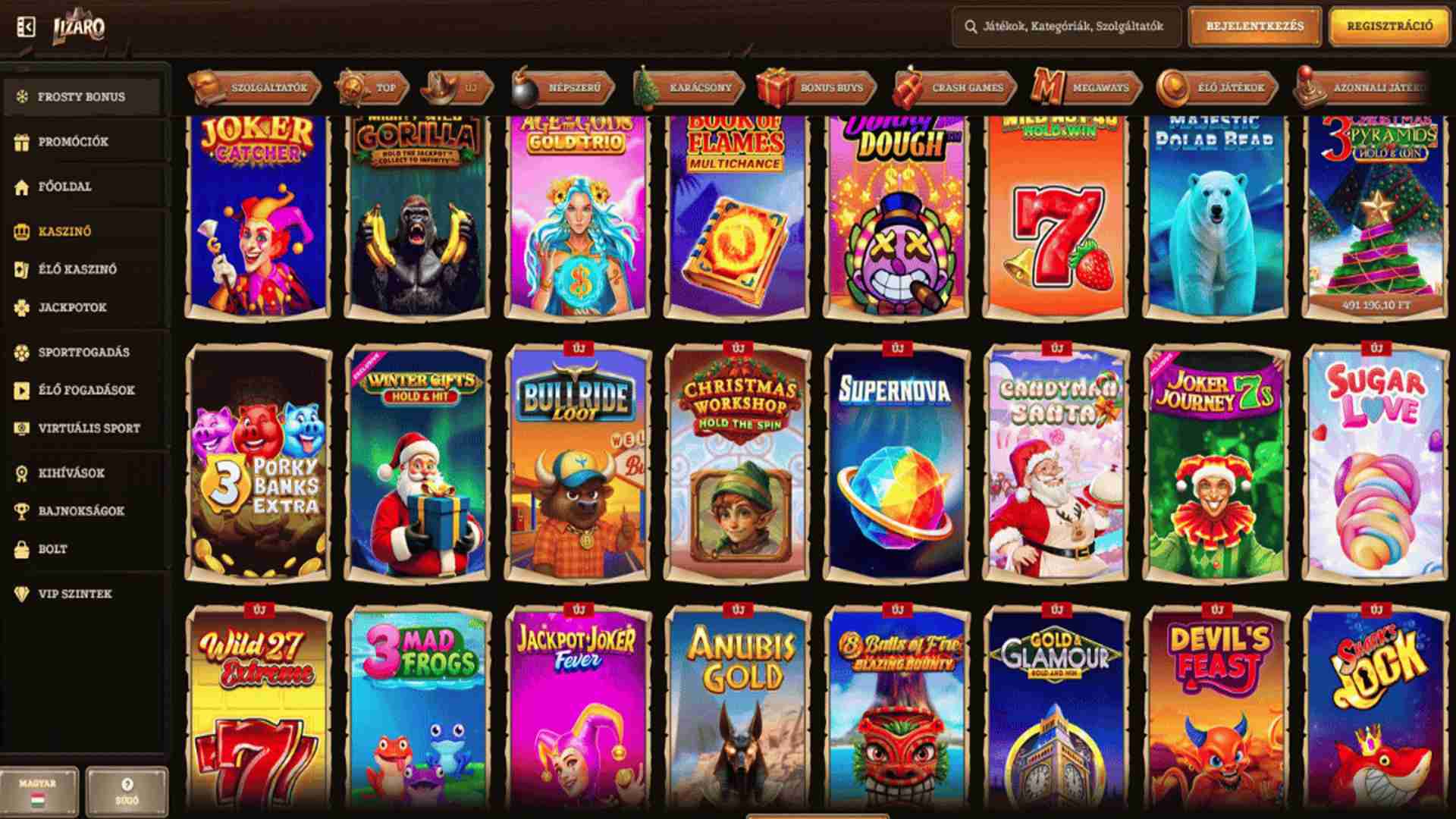
Many participants find that setting clear boundaries regarding time and resources prevents fatigue and keeps engagement levels productive. Utilizing modern educational features on trusted platforms, such as understanding systems like M88 Bet, offers foundational insights into safe digital environments. This systematic approach effectively builds cognitive resilience, allowing players to refine their strategies without unnecessary stress.
Transforming Gaming Mechanics into Real-World Skills
The strategic planning developed during casual leisure hours frequently mirrors the analytical requirements of real-world problem solving. Managing virtual systems teaches individuals how to allocate resources efficiently, recognize complex patterns, and make split-second choices confidently. These interactive exercises act as a practical training ground for sharpening memory retention and spatial reasoning capacities.
Furthermore, the persistent determination required to master advanced difficulty levels fosters a strong growth mindset that values continuous learning. Adapting to evolving rules ensures that your mind remains agile, creative, and highly receptive to novel operational structures. Ultimately, treating every session as a skill-building experience maximizes both the entertainment and personal development value of digital media.
Adopting Sustainable Habits for Continuous Growth
Establishing regular routines and taking timely breaks during interactive play is crucial for sustaining mental focus over extended periods. Stepping away from the screen allows the brain to process newly acquired tactics and prevents cognitive overload from disrupting your progress. Maintaining this structural balance ensures that the entertainment remains fresh, engaging, and highly productive for your personal growth.
In conclusion, approaching digital recreation with intent transforms casual activities into highly effective tools for personal empowerment. Focusing on skill enhancement rather than quick results builds lasting capabilities that serve you well in all areas of life. Every great experience within these interactive landscapes adds another layer of adaptability to your cognitive toolkit.